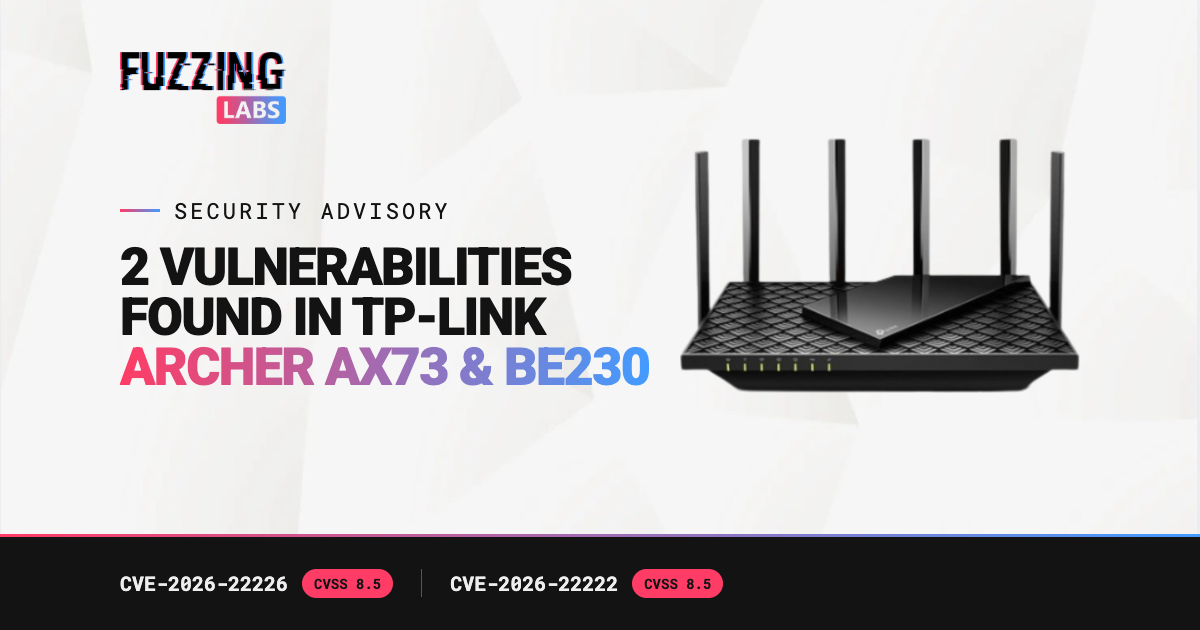
For product security teams & offensive researchers
Turn firmware and binaries into repeatable offensive security campaigns. Get evidence your engineers can inspect, reproduce and act on.
FuzzForge is an offensive validation platform for connected and embedded products. Turn firmware security testing into execution evidence and build on what every investigation reveals.
Selected and Trusted by


































Why coverage falls behind
Each release changes what you ship. Firmware security testing needs to account for new dependencies, third-party components and patches.
01
Knowing what is inside your firmware is a starting point. Understanding how it can fail takes investigation.
02
An audit provides valuable insight into the version tested. The next release needs its own assessment.
03
Your engineers need to establish what happened, reproduce the issue and assess its impact before deciding how to fix it.
Offensive research, at scale
Make firmware security testing a repeatable workflow. Give your engineers the evidence and context to take each investigation further.
Investigate firmware, compiled binaries and third-party components, including code whose source is unavailable.
Validate vulnerabilities through execution. Give engineers evidence they can inspect, reproduce and use to guide remediation.
Reuse test cases, context and knowledge from previous investigations. Build on what your team has learned as your product changes.
From target to verified findings
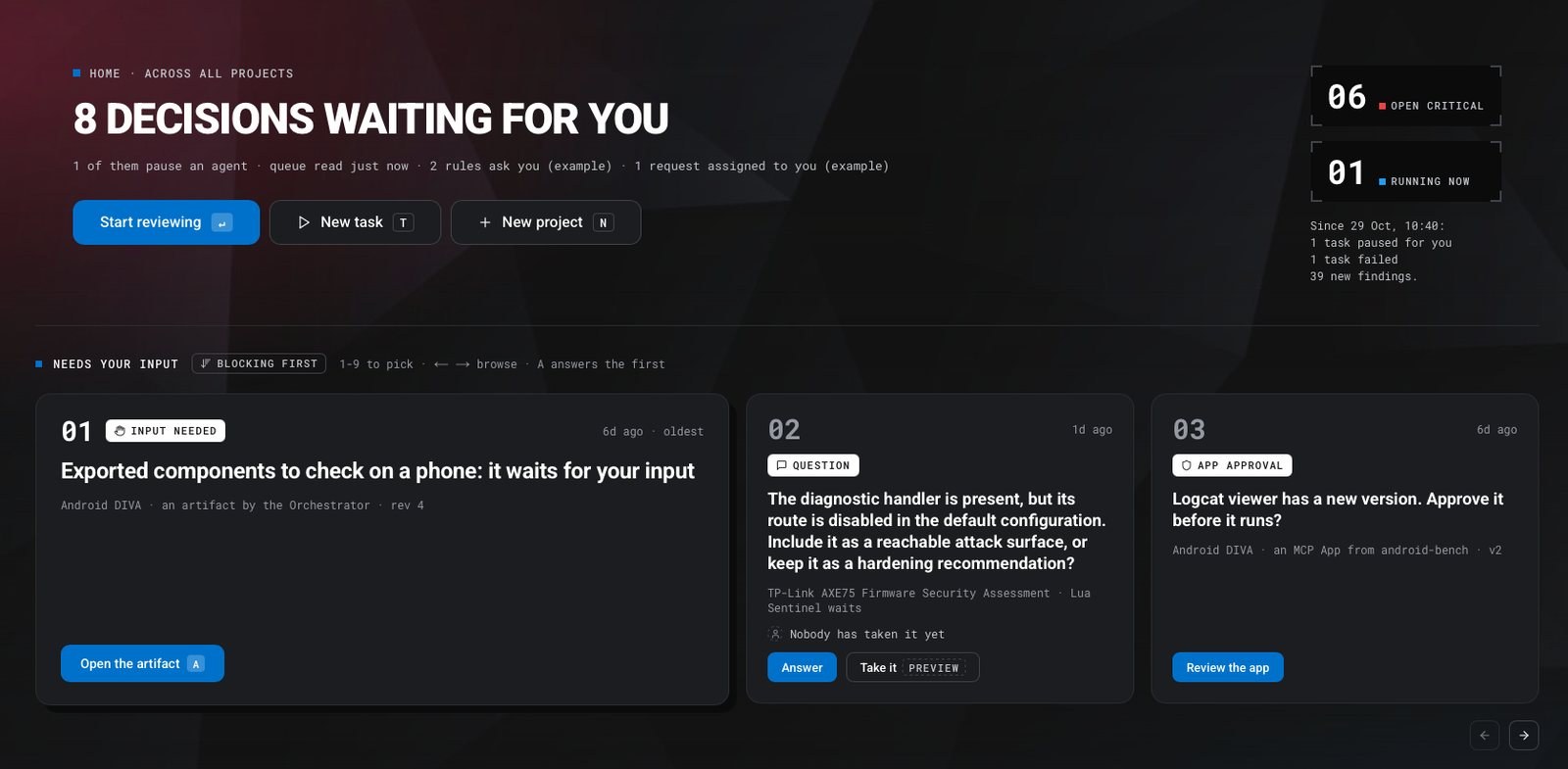
You define the target and direct the investigation. FuzzForge orchestrates specialized AI agents using established security tools to prepare, analyze and test your product.
Your engineers review the evidence and make the decisions.
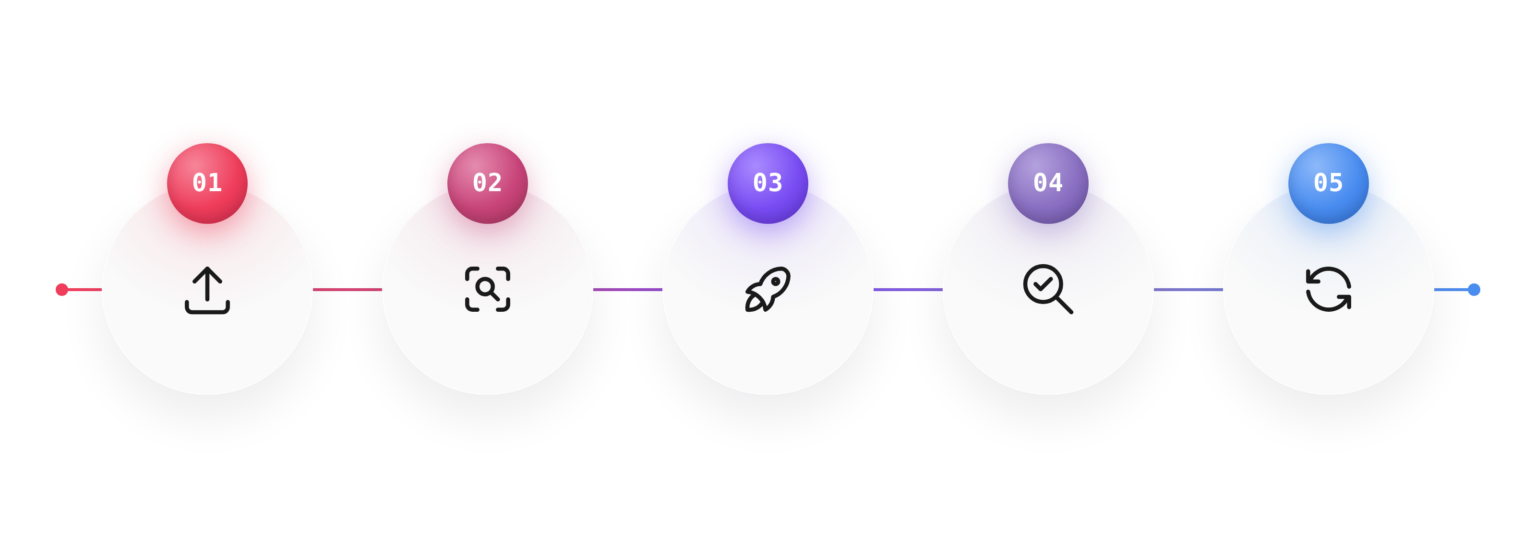
Add your target.
Create a project and upload a firmware image, compiled binary, mobile app or source-code project.
Map the attack surface.
Analyze components and code structures to identify where deeper investigation should begin.
Launch offensive campaigns.
Select the agents and tools for the investigation, individually or as a preconfigured bundle. Launch the analysis and guide the work.
Challenge the findings.
Inspect execution evidence. Confirm, dismiss or investigate further.
Investigate. Fix. Test again.
Review findings, export results and reuse campaign knowledge to assess updated product versions.
Move from a suspected weakness to a demonstrated vulnerability. Inspect execution evidence and replay the proof of concept to support your investigation.
Keep the context. Test the changes.
Reuse campaign knowledge and test cases across versions. Replay validated findings to investigate whether a fix holds.
Bought-in components are part of your product’s security. Analyze firmware and binaries as they ship, including components whose source code you cannot access.
Capabilities
Take firmware security testing from component inventory to execution-based investigation.
What are you actually shipping?
Identify components, known vulnerabilities, embedded secrets and cryptographic weaknesses. Generate a standard SBOM from your firmware.
What can known-vulnerability checks miss?
Investigate firmware, binaries and source code to uncover weaknesses beyond known CVEs. Validate vulnerabilities through execution.
What did the patch really fix?
Compare firmware versions and investigate security-relevant changes, including fixes missing from release notes.
What happens when your target runs?
Investigate firmware behavior in supported emulated environments and use connected devices for hardware-based testing.
From investigation to action
Give your engineers the technical context to understand the issue, investigate a correction and test the result.
Inspect execution evidence and replay the proof of concept for a validated vulnerability. Give developers a concrete starting point for their investigation.
Get automatically proposed corrections for your developers to review, adapt and test.
Review crashes deduplicated and triaged by severity. Focus on distinct failures instead of repeatedly investigating the same crash.
Generate structured reports from your findings. Use the documented testing and results to support the technical documentation required by applicable regulations.
Your infrastructure. Your rules.
Choose where FuzzForge runs and which AI models it uses, according to your security requirements.
Run offensive campaigns on your infrastructure. Keep projects in isolated workspaces and inspect traces of agent activity.

Connect an external AI API or use locally hosted models.
With an external API, data included in model requests is sent to that provider. Choose local models when code and prompts must stay within your environment.
Need a fully disconnected environment?
Run FuzzForge with locally hosted models and no external network connection. Air-gapped deployment is available as an additional option.
Research is in our DNA
FuzzForge builds on the research experience of the FuzzingLabs team.
4
Pwn2Own wins
AI 2025 · IoT 2025 · Automotive 2026 · Ireland 2026
20+
CVEs published
6 on GNSS, AIS and NMEA
1,500+
Vulnerabilities found
In firmware, browsers, blockchains and open-source code
5,000+
Engineers trained
98% of students recommend our courses
Ready to go beyond traditional testing?
See how FuzzForge turns firmware security testing into evidence your engineers can work with. Investigate firmware and binaries, and challenge suspected vulnerabilities.
No. FuzzForge can investigate firmware images and compiled binaries, including third-party components for which source code is unavailable. Supported source-code targets can also be analyzed.
The evidence depends on the finding and the test environment. A vulnerability demonstrated through execution comes with evidence your engineers can inspect and reproduce. Other results, such as component inventories and known-CVE matches, provide context for further investigation. Your experts assess the security impact.
Yes. FuzzForge supports firmware security testing across versions by retaining campaign knowledge and test cases. Your team can reuse that context and replay validated findings. The level of automation depends on the configured workflow.
No. FuzzForge handles repetitive research tasks and helps specialists investigate a broader attack surface. Your engineers direct the investigation, make critical decisions and assess the findings.
FuzzForge runs on your infrastructure. Data sent to external AI providers depends on the model configuration and the content of its requests. Locally hosted models keep AI processing within your environment. A separate air-gapped option supports fully disconnected deployment.
A FuzzForge report documents security testing and findings that can support your Cyber Resilience Act technical documentation. It is one input into your compliance work. The report alone does not establish compliance.
| Cookie | Duration | Description |
|---|---|---|
| cookielawinfo-checkbox-analytics | 11 months | This cookie is set by GDPR Cookie Consent plugin. The cookie is used to store the user consent for the cookies in the category "Analytics". |
| cookielawinfo-checkbox-functional | 11 months | The cookie is set by GDPR cookie consent to record the user consent for the cookies in the category "Functional". |
| cookielawinfo-checkbox-necessary | 11 months | This cookie is set by GDPR Cookie Consent plugin. The cookies is used to store the user consent for the cookies in the category "Necessary". |
| cookielawinfo-checkbox-others | 11 months | This cookie is set by GDPR Cookie Consent plugin. The cookie is used to store the user consent for the cookies in the category "Other. |
| cookielawinfo-checkbox-performance | 11 months | This cookie is set by GDPR Cookie Consent plugin. The cookie is used to store the user consent for the cookies in the category "Performance". |
| viewed_cookie_policy | 11 months | The cookie is set by the GDPR Cookie Consent plugin and is used to store whether or not user has consented to the use of cookies. It does not store any personal data. |